
Eggs
- Example portion
- One or two eggs, as part of a meal or snack.
- Why it's useful
- A familiar protein source with several textures: boiled, scrambled, or baked.
- Easy meal idea
- Chop a cooked egg onto whole-grain toast with avocado.
PROTEIN & GLP-1 NUTRITION
Less Appetite. More Reason to Choose Your Foods Carefully.
Protein is an important part of maintaining muscle and overall nutrition during weight loss. Explore practical protein-rich food choices, real Fresh Fit meal options, and personalized nutrition support from Becca Tunink, a Registered Dietitian at Fresh Fit Meals.

Several foods. Several ways to make them work.
Eggs, Greek yogurt, cottage cheese, chicken, turkey, fish, tofu, tempeh, edamame, beans, and lentils can all contribute protein. A mix of animal and plant foods gives you options to choose from when your appetite or preferences change.
The useful choice is a food you can fit into your overall eating routine. Soft, moist, crunchy, or blended textures may feel different to different people. Adjust portions and preparations to your preferences and tolerance; taking a GLP-1 does not create one required list of foods.
A practical pantry and fridge guide
Use these examples to compare convenience, texture, and meal ideas. The portions describe possible starting points, not prescribed servings or a daily protein target. Protein amounts vary by product and preparation; check the label for what you actually eat.
Nuts and seeds can add protein, fats, and variety, but a small sprinkle is not equivalent to a portion of lean meat or tofu. Beans and lentils bring useful fiber and carbohydrates as well as protein. Compare the whole food and the portion, rather than treating every protein source as interchangeable.
Simple combinations, flexible portions
A smaller appetite can make a large plate less appealing. These combinations give you ways to include protein and other foods with little preparation, without following a fixed meal schedule.
Spoon cottage cheese into a bowl with chopped cucumber and tomato. Add crackers for crunch, or blend the cheese into a dip if you prefer a smoother texture.
Fold cooked egg and wilted spinach into a small tortilla. Prep the filling ahead so a manageable portion is ready when you want it.
Combine shredded cooked turkey, canned white beans, and soft vegetables in broth. Start with an amount you can manage and save the rest for another eating opportunity.
Mix canned tuna or salmon with plain yogurt or a dressing you like. Serve with crackers and vegetables; you can portion the mix before serving.
Warm crumbled tofu with peas and rice. Use a mild or more seasoned preparation according to your preference, and adjust the vegetables and portion.
A smoothie with Greek yogurt or a fortified soy beverage, fruit, and oats is one option. Check the protein on the specific product label; ingredients, portions, added caffeine, and suitability vary.
You do not need to turn every meal into a shake or chase the largest protein number. Leave room for enough energy, food variety, and other nutrients.
If you have persistent difficulty eating or drinking, contact your healthcare team for guidance.
Your starting point is individual
There is no single protein target for everyone taking a GLP-1. Body size, activity, age, nutrition status, and medical circumstances can affect what is appropriate for you. During weight loss, an individualized plan can help you work toward adequate protein while considering the rest of your nutrition.
If a medical condition requires a specific nutrition plan, work with your healthcare team before substantially increasing protein. Becca can help you discuss a practical nutrition starting point through a consultation.
Real products, portions to compare
These examples pair verified protein data with calories, fiber, and a short ingredient overview. Compare the listed product or variant, including its portion and ingredients. A breakfast bowl, a fish meal, and a parfait can serve different purposes in your routine.
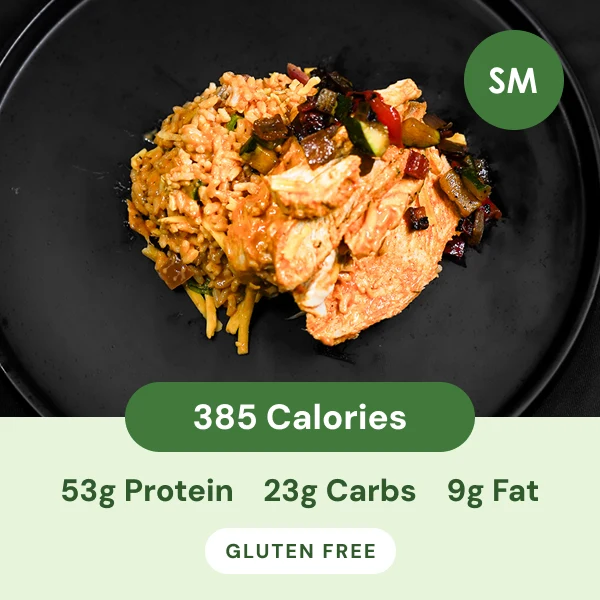
Chicken, rice, vegetables, buffalo sauce, and cheddar. The small variant includes dairy.
385 calories 53g protein 4g fiber
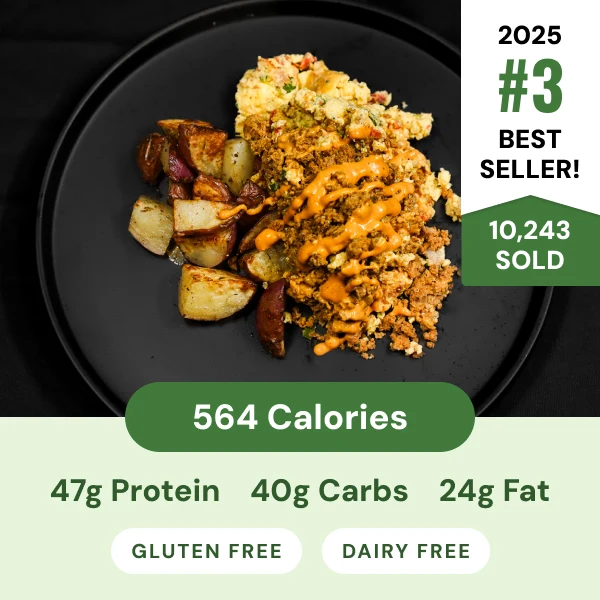
Eggs, ground turkey, quinoa, and vegetables with sauce: a breakfast-style bowl.
564 calories 47g protein 6g fiber
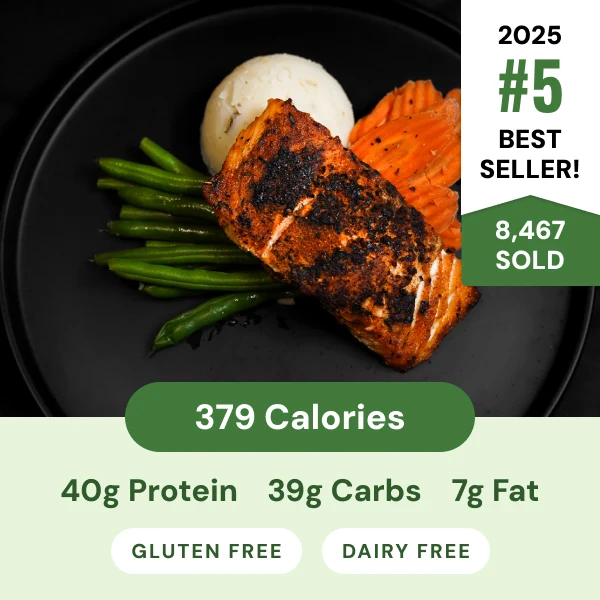
Cajun-seasoned salmon, mashed potatoes, carrots, and green beans. Contains fish.
379 calories 40g protein 7g fiber
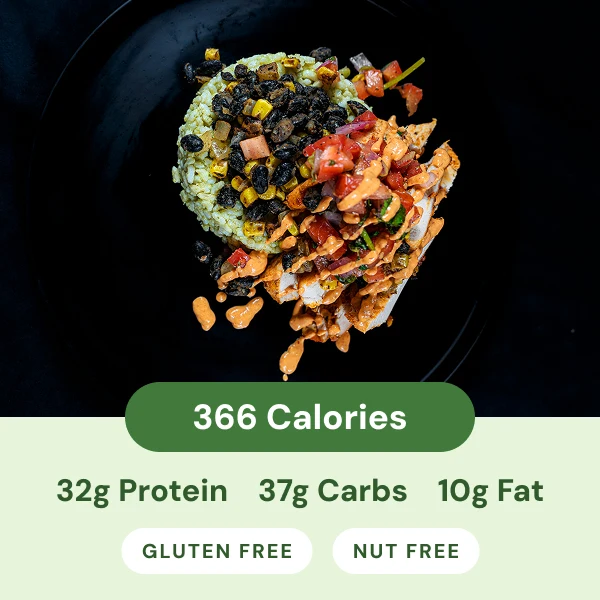
Cajun chicken with black beans, brown rice, corn, and jalapeño pico de gallo.
366 calories 32g protein 6g fiber
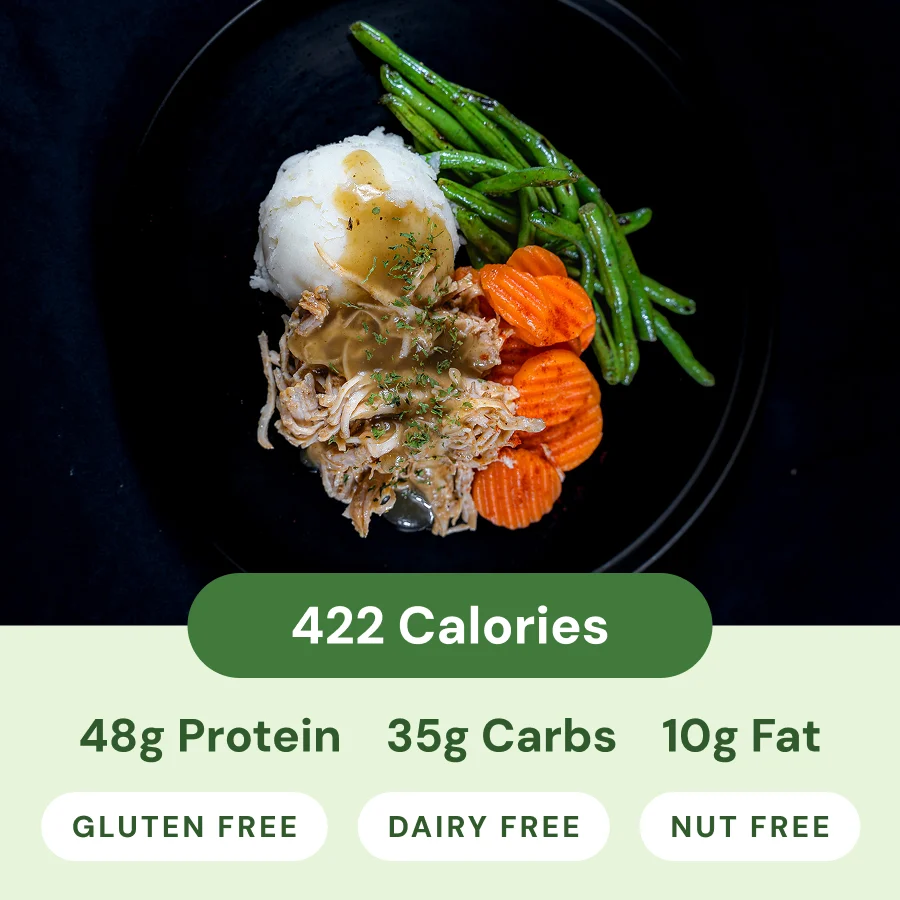
Turkey with potatoes, green beans, carrots, and savory seasonings. The product description lists dairy.
422 calories 48g protein 5g fiber
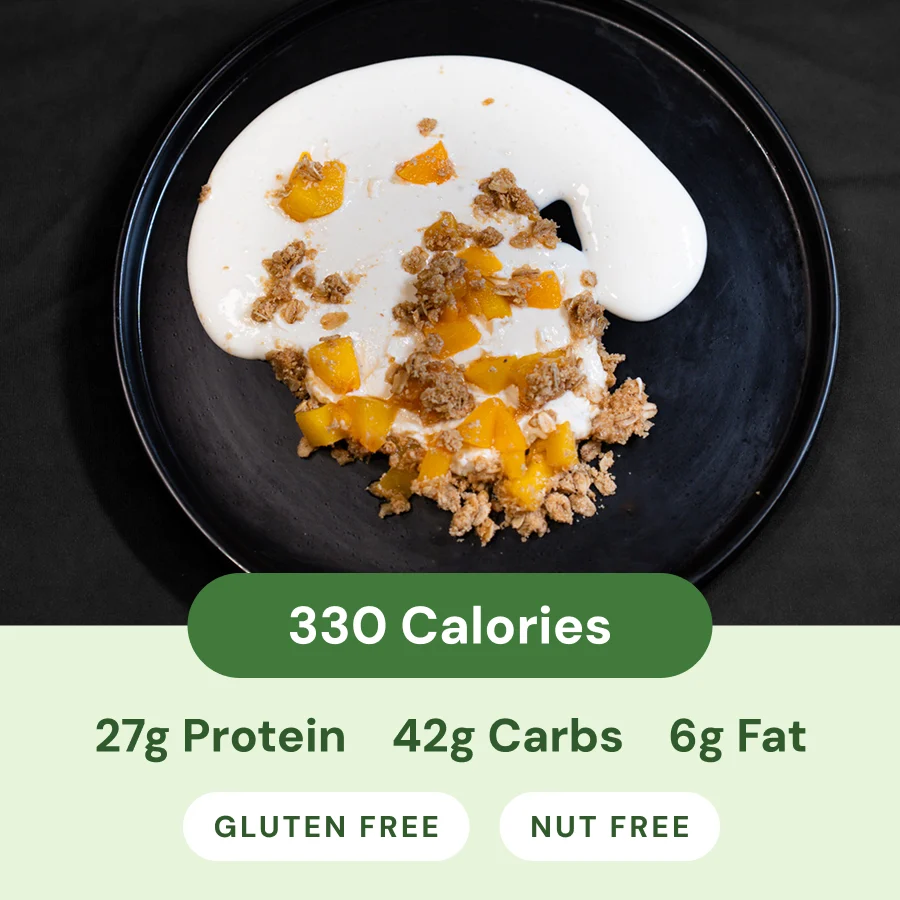
Greek yogurt and whey protein with peaches, oats, honey, and brown sugar. Contains dairy.
330 calories 27g protein 5g fiber
Nutrition is per listed product or variant from the Fresh Fit catalog snapshot dated (UTC), not per 100 grams. Nutrition and availability may change; check current details before ordering.
Ingredient summaries are not complete allergen lists. Fresh Fit meals are made in a shared kitchen that uses milk, egg, wheat, fish, shellfish, tree nuts, peanuts, and soy. Confirm current ingredients and allergen information with Fresh Fit Meals; category labels do not establish allergen safety.
These are regular Fresh Fit products, not meals medically approved for GLP-1 use. Fresh Fit Meals handles orders and current availability. Prepared-meal service is in the Des Moines metro, primarily Des Moines, Urbandale, and Ankeny.
Read beyond the headline number
The highest-protein product is not automatically the best choice for you. A smaller portion may be easier to fit into your day than a much larger meal. Consider what the food adds to your overall routine.
Put the food choices into context
Protein is one part of the picture. Building a practical eating routine also involves food variety, hydration, meal timing, and individual nutrition needs.
Explore Our GLP-1 Diet Plan Guide
Becca TuninkRegistered Dietitian · Fresh Fit Meals
Personal support in Des Moines
A list can give you ideas. A conversation can help you decide how those ideas fit your life.
Becca Tunink is a Registered Dietitian at Fresh Fit Meals. Through individualized nutrition guidance and meal-planning support, you can discuss your food preferences, appetite, goals, and everyday routines.
Request a consultation as a starting point for a more personal approach. Fresh Fit Meals follows up on your request; submitting the form does not automatically schedule an appointment. Your prescribing clinician manages medication decisions.
Food choices, explained simply
Yes. Eggs, dairy, poultry, and fish are options, as are tofu, tempeh, edamame, beans, and lentils. Portions and protein amounts differ, so use a variety that fits your preferences and individual nutrition needs.
You do not need to get nearly all your daily protein in one sitting. Including protein in manageable meals or snacks can fit a smaller appetite more practically. A dietitian can help you decide how to arrange eating opportunities around your routine.
No. Many foods contribute protein. A shake may be useful for some people, but it is optional; compare its ingredients, portion, and nutrition. You do not need to replace all meals with shakes or choose the product with the biggest protein number.
Try a smaller portion and another eating opportunity later, with foods and textures you find manageable. If difficulty eating or drinking persists, discuss it with your healthcare team rather than relying on food changes alone.
A registered dietitian can help you consider protein alongside your overall nutrition, appetite, preferences, and health circumstances. A consultation with Becca is a starting point for discussing nutrition guidance and Fresh Fit meal-planning options.
You don't need to sort through every nutrition decision alone. Fresh Fit Meals offers registered dietitian guidance and prepared-meal options to help you build a practical starting point.
The advisory and Cleveland Clinic guidance inform the general nutrition and muscle-support information. Generic food examples use qualitative comparisons, not calculated protein values. Product numbers come from the local Fresh Fit snapshot described above.
CLINICAL CONTENT REVIEW PENDING. The nutrition guidance, food and meal examples, and FAQ copy await review by Becca / Fresh Fit Meals before public release.